How to Play Pot-Limit Omaha (PLO) Poker: Rules, Betting & Hand Rankings
Pot-Limit Omaha (PLO) is one of the most popular poker variants after Texas Hold’em. It’s fast, action-heavy, and full of strong hands, but the rules are just different enough to throw off new players. This guide breaks down exactly how PLO works, including how to use your cards, how betting functions, and what hands win at showdown.
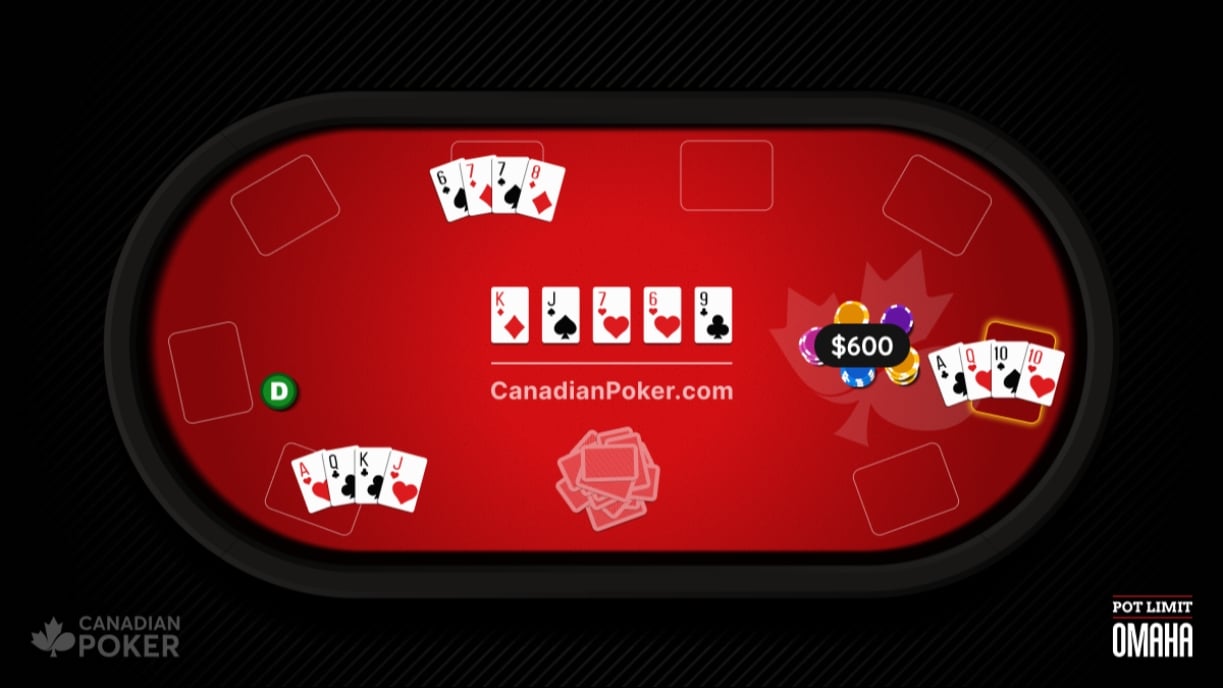
Pot-Limit Omaha is a community card poker game similar to Texas Hold’em, but each player is dealt four hole cards instead of two. You must use exactly two of your hole cards and exactly three of the five board cards to make your best five-card hand.
It is played with pot-limit betting, meaning the maximum allowed bet is the current size of the pot. PLO is usually played high-only, but there are also split-pot versions like Omaha Hi/Lo.
Basic Rules of PLO Poker
Game Format
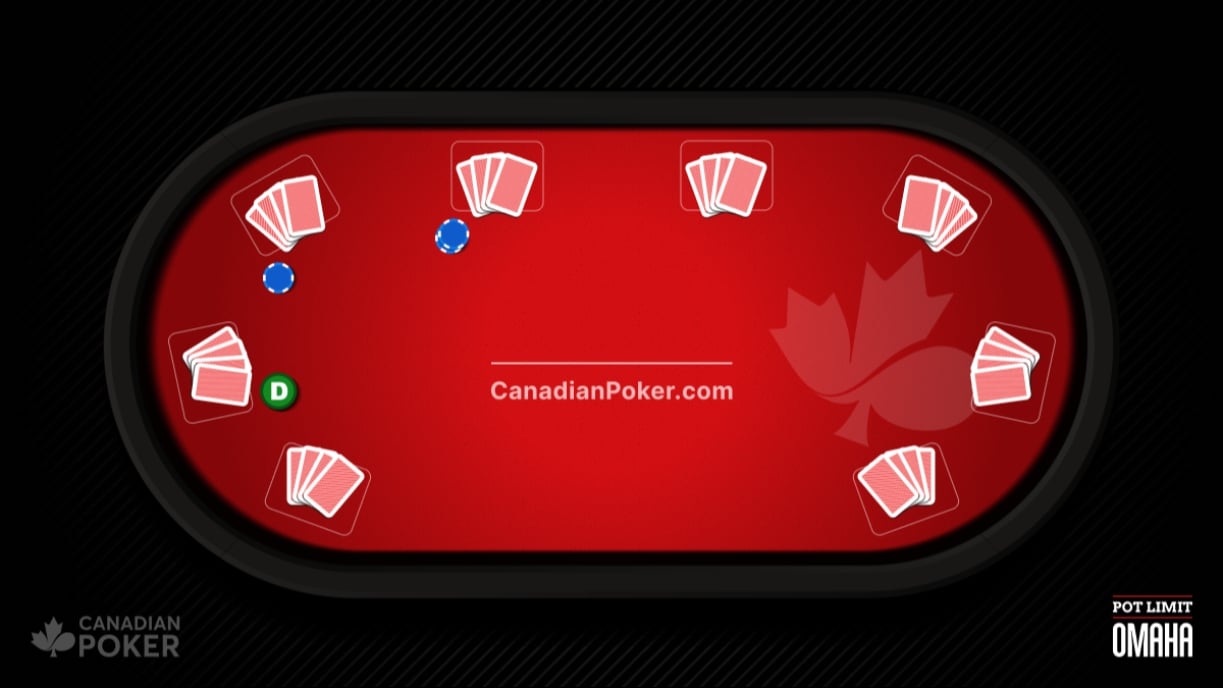
Each player is dealt 4 private hole cards
5 community cards are dealt on the board
Players must use exactly 2 hole cards and exactly 3 board cards
Pot-limit betting structure applies
High-hand wins the pot
Dealer (Button), Blinds and Player Positions
The Dealer Button
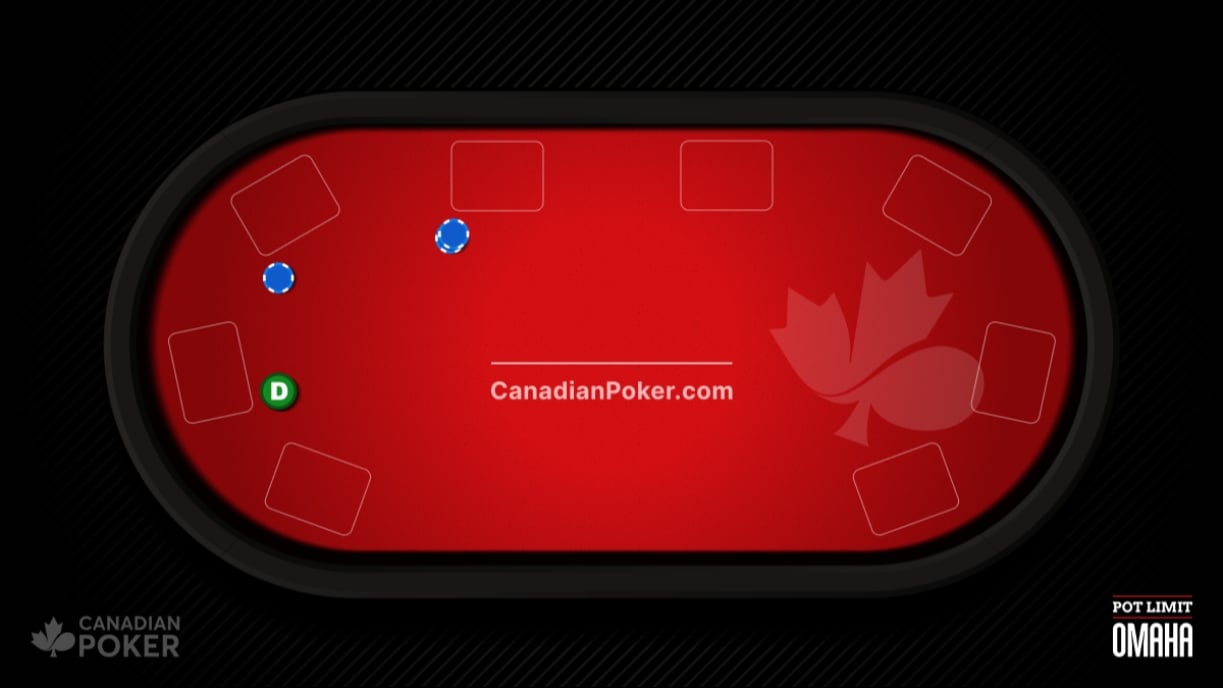
In Pot Limit Omaha, the dealer button moves clockwise around the table after every hand. It indicates which player is acting as the dealer for that particular hand.
The button plays a key role in:
Determining who places the small blind and big blind
Setting the betting order, which begins with the player to the left of the big blind
Once a hand ends, the button shifts one seat to the left. The players directly to the left of the new button then post the blinds, and a new hand is dealt, starting with the player immediately to the left of the button.
This rotation ensures that every player takes turns in each position around the table, balancing the strategic advantages and disadvantages of position over time.
The Blinds
In PLO, blinds are mandatory bets placed before any cards are dealt. They’re used to kick-start the action by putting money in the pot right away.
There are two main blinds:
Small Blind (SB): Posted by the player immediately left of the dealer.
Big Blind (BB): Placed by the player to the left of the small blind, usually twice its amount.
In live cash games - and occasionally at online poker rooms - you might see players post additional, voluntary blinds known as a straddle. Depending on the house rules, a straddle is typically placed by the player directly left of the big blind. The purpose of the straddle is to buy the last action before the flop, creating a bigger pot and often encouraging more aggressive play.
The Player Positions
Player position in Pot Limit Omaha refers to your seat in relation to the dealer button, and it’s one of the most important factors in shaping your decisions. Because players act in a fixed order, your position affects how much information you have before it's your turn.
Here are the general categories:
Early Position (EP): These players act first after the flop. It's the toughest spot to play from because you have little information about your opponents' intentions.
Middle Position (MP): Offers slightly more flexibility. You're not first to act, but you’re also not last, so you still need to play carefully.
Late Position (LP): These seats, especially the dealer (button) and cutoff, are the most advantageous. You get to act after most players and can make more informed moves.
Blinds are unique:
Small Blind (SB): Acts just before the big blind pre-flop, but first on all following streets.
Big Blind (BB): Acts last pre-flop (unless raised) and second after the flop. Both are tough spots since you're partially committed but forced to act early later.
How a Hand of Pot Limit Omaha is Played
1. The Blinds are posted, the player left of the button posts small blind and the player left of the small blind posts big blind.
2. Pre-flop: 4 hole cards are dealt to each player
3. First betting round begins with the player left of the big blind
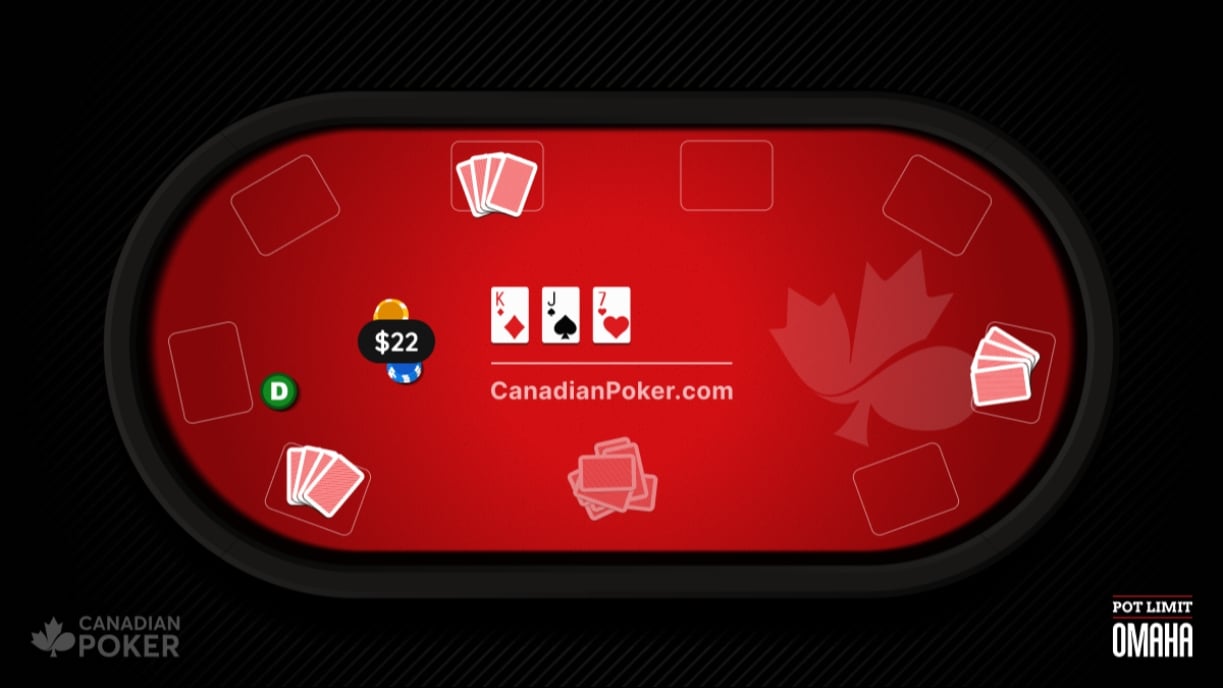
4. Flop: 3 community cards are dealt face-up
5. Second betting round
6. Turn: 1 additional community card is dealt
7. Third betting round
8. River: Final (5th) community card is dealt
9. Final betting round
10. Showdown: Best five-card poker hand wins the pot
Hand Rankings in PLO
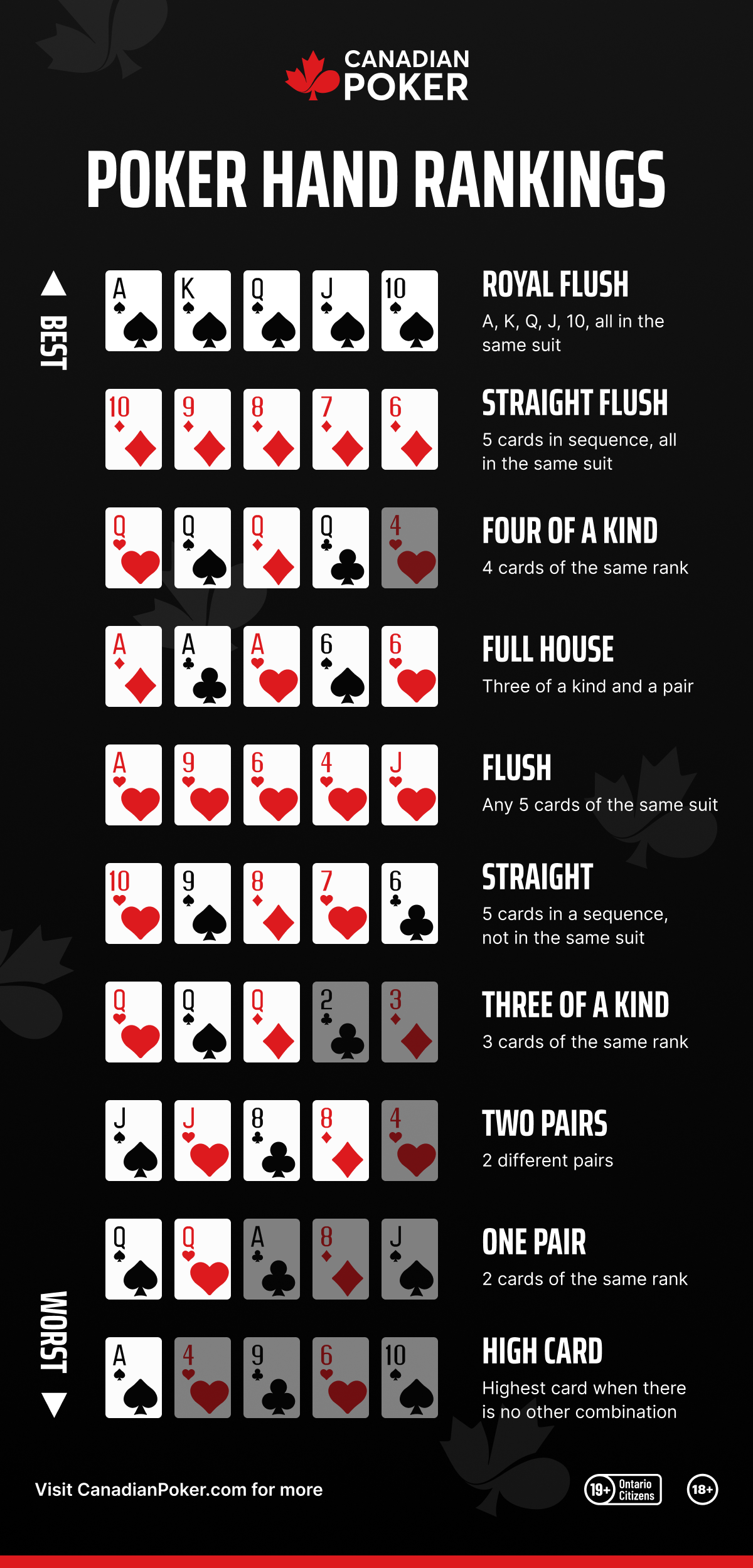
Pot-Limit Omaha uses standard high-hand poker rankings, identical to Texas Hold’em. The difference lies in how you make your hand: you must use exactly two (2) hole cards and exactly three (3) from the board.
Example of Valid Hands in PLO
You hold A♦K♦Q♥9♣
Board shows J♦8♦5♠2♣6♦
Your best hand is A♦K♦ + J♦8♦6♦ = Ace High Flush
Pot-Limit Betting Structure
What Pot-Limit Means
In pot-limit poker, the maximum bet or raise allowed at any time is equal to the current size of the pot. This creates escalating action without the all-in swings of no-limit games. The way pot-betting is calculated might feel a bit complex from the start, but here´s an example.
Example of Pot-Size Bet Calculation
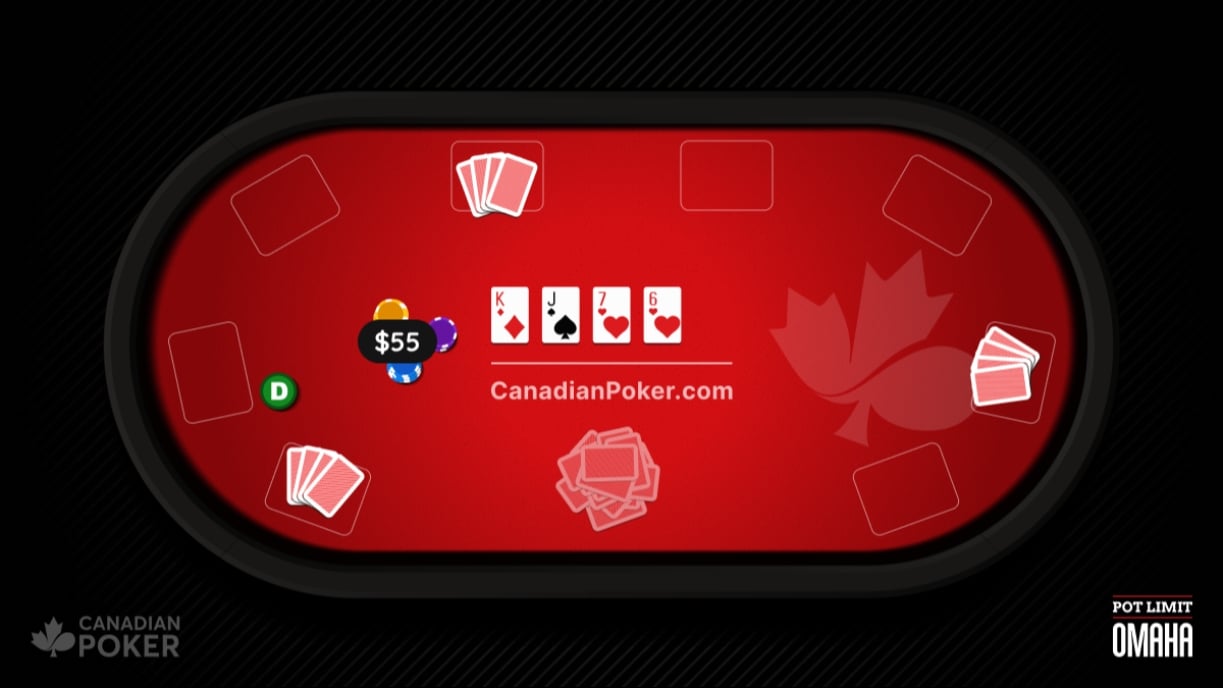
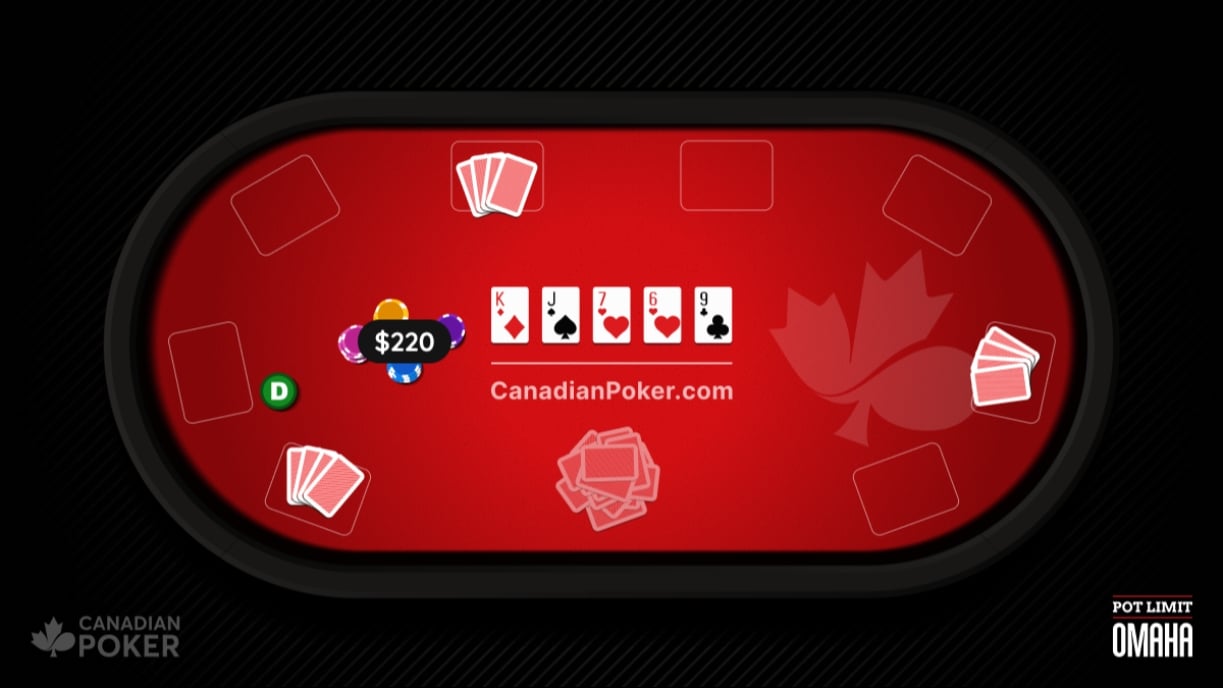
Let´s say the pot is $60 and you are first to act, the max amount you can bet is exactly what´s in the pot, in this case $60.
It´s when there are players that has acted before you it gets a bit complex. Player A bet $60 and Player B calls $60, now it´s your turn and you want to bet pot. The easiest way to calculate how much you can bet now is:
The last previous call/bet x 3, plus the rest of the money in the pot. In this case 3x Player B´s call of $60 = $180 + $60 (Player A´s bet) + $60 (the pot) = $300
If instead, in the same situation, Player A would have bet $30 and Player B called your pot bet will be: 3x Player B´s call of $30 = $90 + $30 (Player A´s bet) + $60 (the pot) = $180
As mentioned, it might sound a bit complex from the start, but when you once have learned it, it´s actually pretty easy.
Differences Between PLO and Texas Hold’em
More Hole Cards = More Draws
In PLO, players start with 4 cards instead of 2
This leads to more straight and flush draws
Stronger hands are more common at showdown
Hand Strength Requirements
Two pair often loses
Straights and flushes are common
Top set is vulnerable on draw-heavy boards
Pot-Limit vs No-Limit
In No-Limit, you can go all-in at any time
In Pot-Limit, bets are capped by pot size
Less bluff-heavy, more combo-driven action
Where to Play Pot-Limit Omaha Online
Real Money Poker Sites
Play Money Options
PokerStars Play
Replay Poker
Zynga Poker (limited PLO availability)
PPPoker / PokerBros (via private clubs)
Final Takeaway
Pot-Limit Omaha is one of the most exciting and action-packed poker games you can play. With four hole cards, mandatory two-card usage, and pot-limit betting, it offers a fresh challenge to anyone used to Texas Hold’em. Now that you know the rules, structure, and betting format, you're ready to take your seat and play PLO the right way.
FAQ Pot Limit Omaha (PLO) Rules
Do I have to use exactly two hole cards in PLO?
Yes. In PLO, you must use exactly two hole cards and three from the board.
Can I go all-in in PLO?
Only if your pot-sized raise or call puts you all-in. Otherwise, bets are capped at the current pot size.
Is Pot-Limit Omaha high only?
Yes. PLO is played for the high hand. If you want a split pot version, play PLO8 (Omaha Hi/Lo).
Can I play PLO for free?
Yes. Several online platforms and mobile apps offer play-money versions of Pot-Limit Omaha.
What’s the best possible hand in PLO?
A royal flush is the strongest possible hand, just like in Hold’em.